
The lights come on. The crowd gets loud. The artist hits the stage.
What we see is the performance.
What we don't see is what the body went through to get there.
Long nights, travel, rehearsals, soundchecks, lack of sleep, stress, adrenaline and repetitive movement are all part of the job. In entertainment, particularly hip-hop, we've almost romanticized the idea of pushing through it. Hustle harder. Sleep later. Get through the show. Get to the next city.
But eventually, the body has something to say about that.
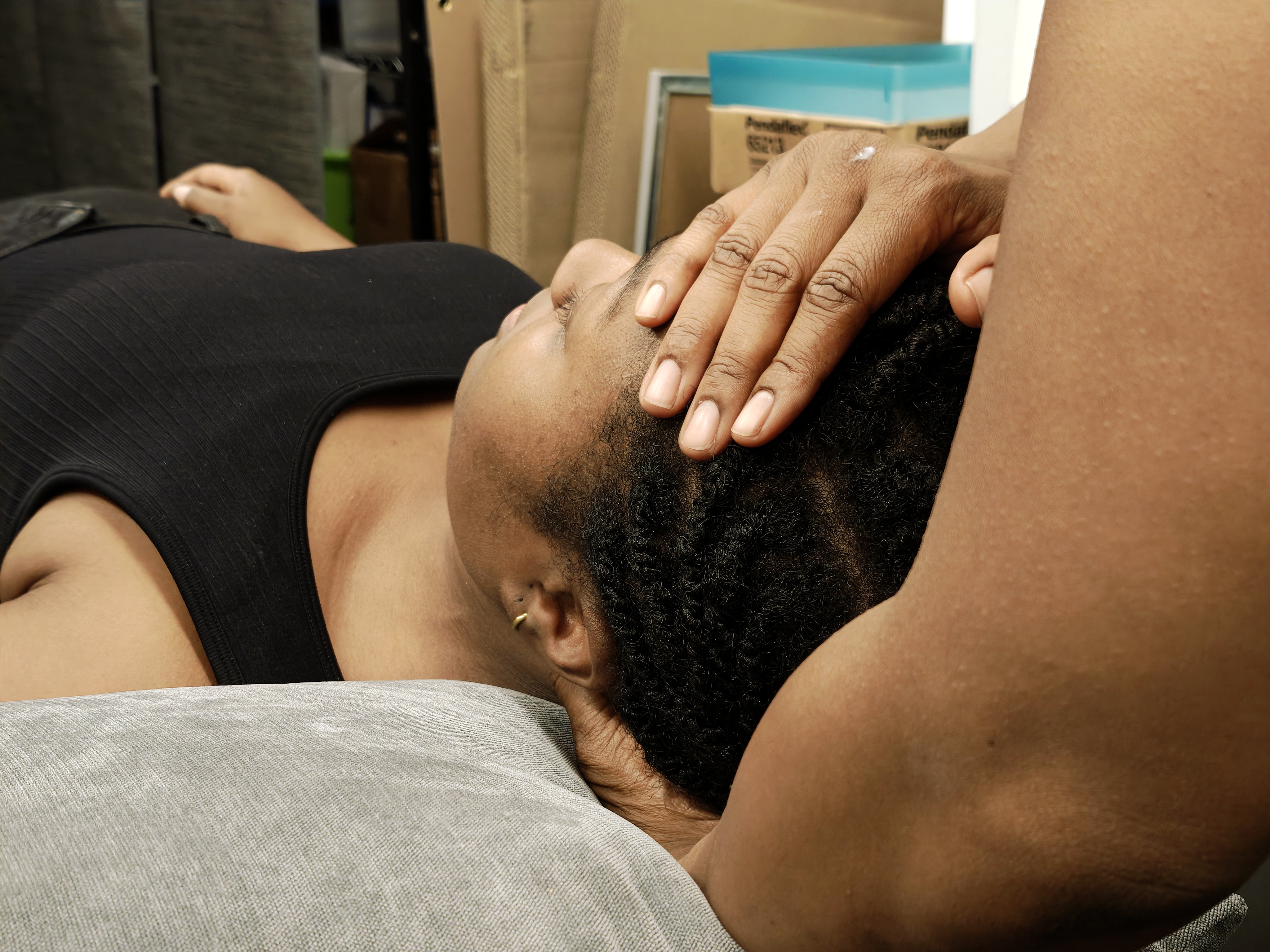
Dr. Erica of PRIME Performance Readiness is paying attention.
Her work takes physical therapy out of the traditional clinical setting and puts it where performers actually need it: backstage.
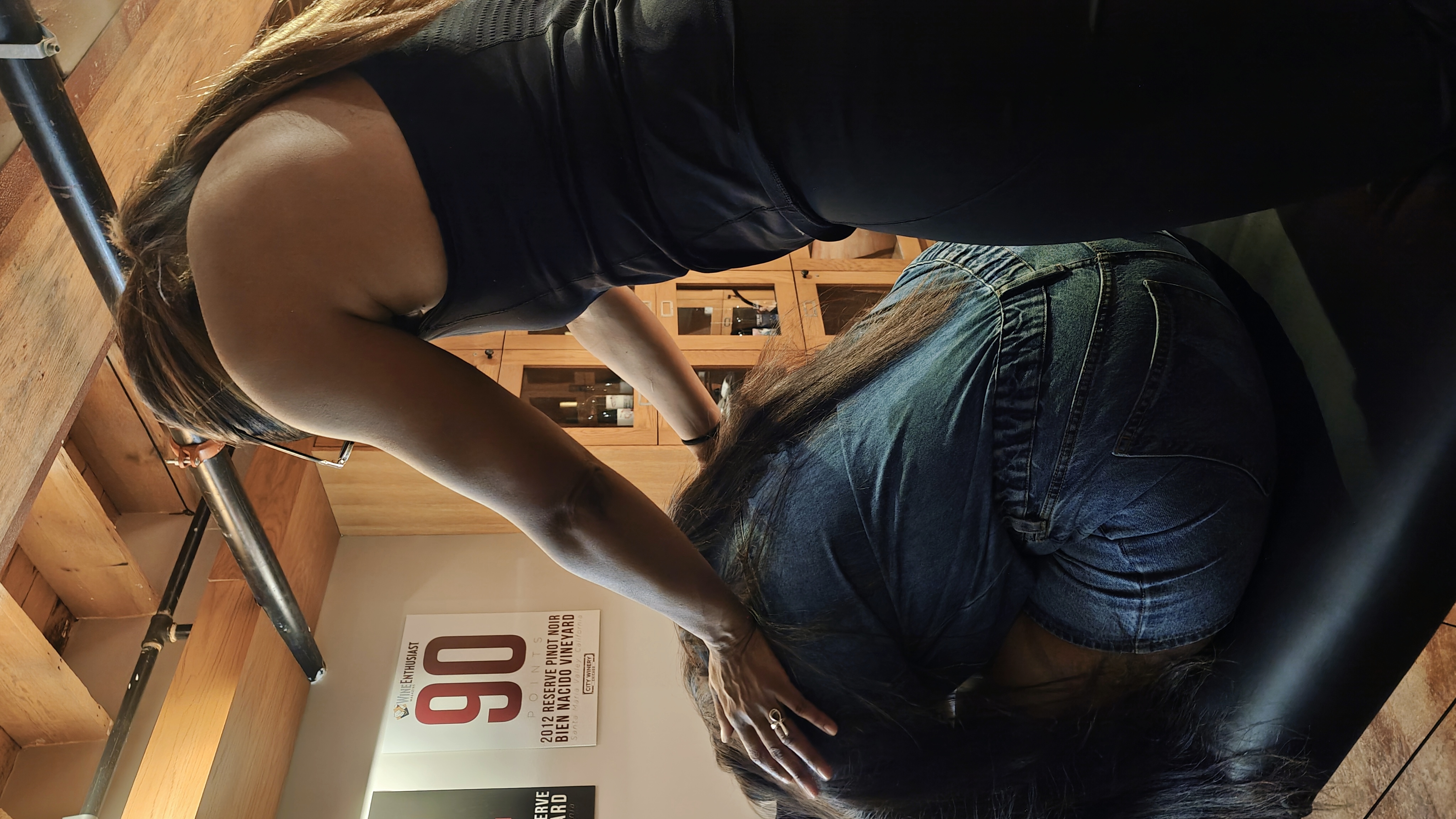
“I work backstage with performers to provide mobility, breath work, and nervous system reset...” she explained.
Her path into this specialized work didn't begin backstage. Dr. Erica has spent more than 17 years as a personal trainer, studying and working with the human movement system long before earning her doctorate in physical therapy.
She has also been an entrepreneur throughout much of that journey, previously operating her own boot camp for a decade and running fitness studios in Chicago's Rogers Park neighborhood.
But somewhere between her education, her experience with the body and her love for live music, she started noticing something.
Performers were telling her without necessarily telling her.
She watched their hands.
Their shoulders.
Their breathing.
Their posture.
She noticed musicians stretching their hands and artists physically carrying nervousness. She heard conversations about lost sleep, touring and not feeling like themselves.
Something was missing.
And because she had been trained to observe movement, she could see it.
When Hustle Becomes a Health Issue
The conversation around wellness in entertainment has grown significantly, particularly when it comes to mental health. But physical health, recovery and nervous-system regulation aren't always included in that conversation.
For Dr. Erica, stress is a major piece of the puzzle.
“If we can control exogenous stressors, at least, it can improve how you function and how you show up,” she said.
She points to mental fog, fatigue, social media, performance anxiety and the constant consumption of information as stressors performers may be carrying in addition to the physical demands of their work.
“If we can bring those stressors down, if we can pay attention to what our nervous system is telling us, we can show up better and we can continue to perform at higher levels.”
Then she took the conversation somewhere even bigger.
“We can stop dying early in hip-hop.”
It's a heavy statement, but her point is about longevity.
Within hip-hop, exhaustion can sometimes become part of the identity. Not sleeping enough, neglecting the body and constantly working can be worn almost like badges of honor.
Dr. Erica isn't interested in demonizing the culture, partying, cannabis or the realities of the entertainment lifestyle.
She's interested in what happens afterward.
If you're smoking, hydrate.
If you've been drinking all night, get up the next morning, walk, breathe and help your body regulate.
The goal isn't perfection.
It's maintenance.
What Performance Readiness Actually Looks Like
So what happens when a physical therapist shows up backstage?
Dr. Erica typically arrives around soundcheck.
Before immediately putting an artist on a treatment table, she watches.
How are they moving?
How are they breathing?
How are they communicating?
What is their body doing onstage?
From there, she can begin assessing what that particular performer may need before the show.
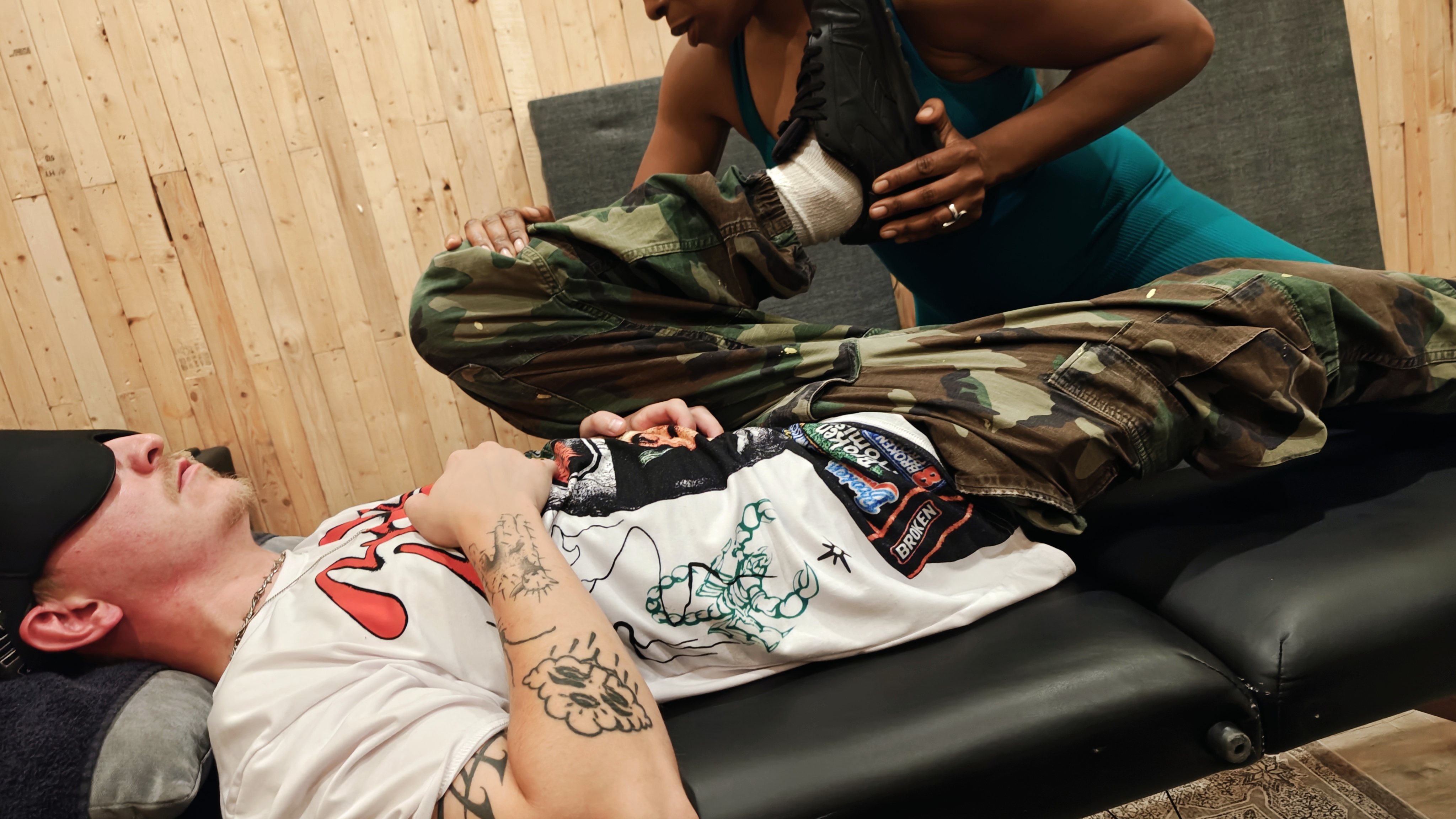
Her pre-show protocol can include a total-body assessment, stretching, identifying areas of tension, activation exercises and postural work. If an artist has weakness or instability in an area such as the shoulder, for example, she can work on activating and preparing that area before the artist steps onstage.
The work isn't identical for every performer because the performance isn't identical.
Rappers have their own physical patterns.
Dr. Erica commonly sees tension through the shoulders, trapezius muscles, upper arms and forearms. Lower-back issues can also become a problem when adrenaline kicks in and an artist spends a performance pacing or moving aggressively across a stage.
Musicians present differently.
Guitar and bass players may experience shoulder issues associated with carrying their instruments, along with forearm and wrist tightness.
Drummers can develop posture patterns associated with sitting and repeatedly working forward through the upper body, which can create tightness through the chest and upper body.
Horn and string players may experience issues through the neck and shoulders from repeatedly holding their bodies and instruments in particular positions.
Hands, fingers and wrists become another area requiring attention.
In other words, the instrument matters.
So does the body playing it.
Wellness Doesn't Have to Live Outside the Culture
One of the most interesting parts of Dr. Erica's approach is that she isn't trying to remove performers from their environment and lecture them about wellness.
She's entering their environment.
That's important.
Because telling an artist on tour that they should probably schedule physical therapy sometime next week isn't necessarily realistic.
So she shows up.
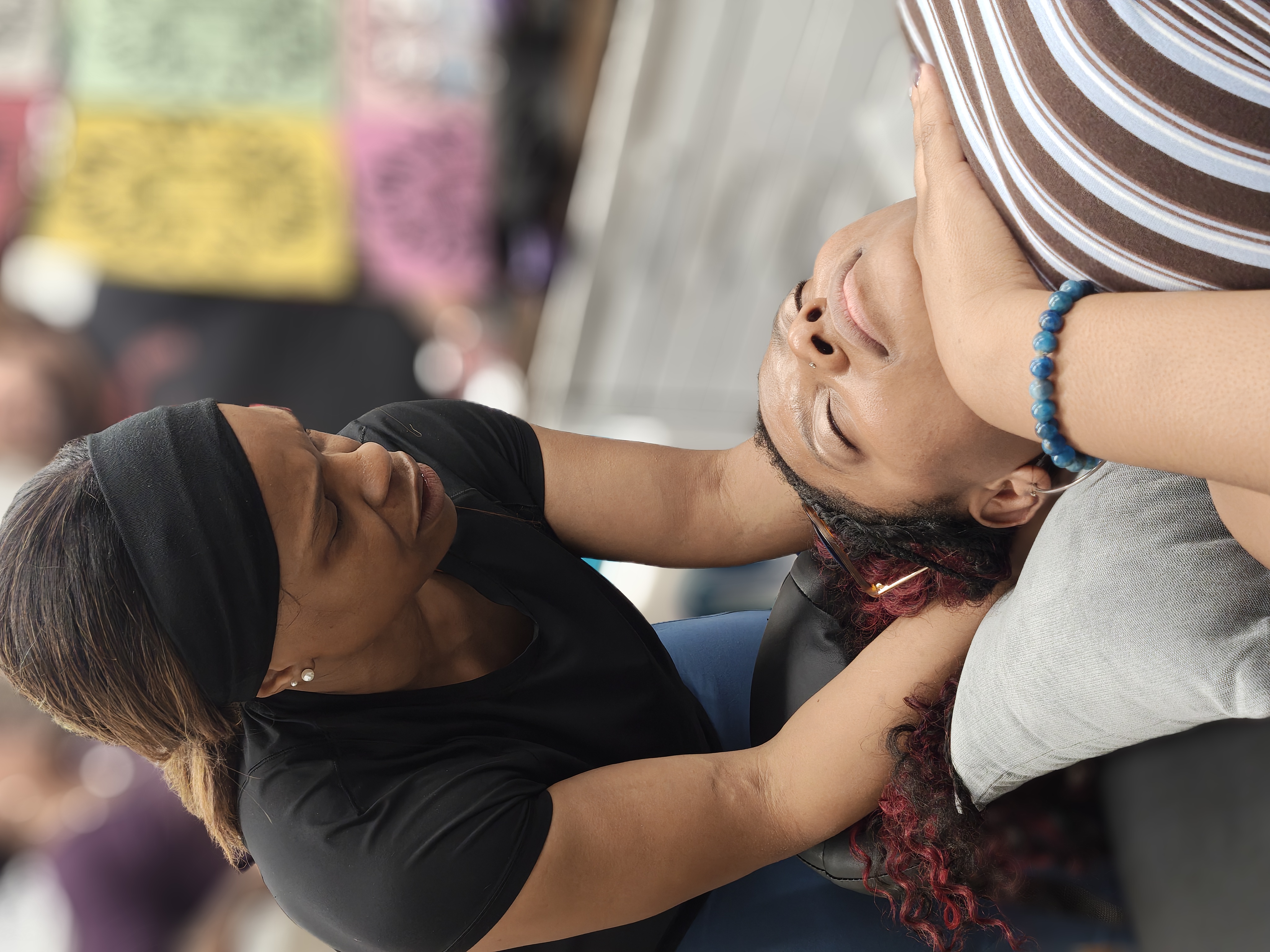
The backstage environment becomes an opportunity to make wellness accessible rather than another appointment someone has to remember to schedule.
And Dr. Erica believes movement itself should become part of everyday life.
She recalled watching Imani of The Pharcyde practice Hatha yoga and learning that his relationship with movement wasn't simply something he did before performing. He grew up around movement through his mother, a ballerina who also practiced African dance.
For him, movement was simply life.
That idea stayed with her.
Stretching, breathing, mobility and taking care of the body don't have to exist in opposition to hip-hop culture.
You can have the music.
You can have the party.
You can have the lifestyle.
And you can still take care of yourself.
In fact, if you want to keep doing all of the other things, you probably should.
The Show Requires a Body
Artists spend enormous amounts of time developing their sound, rehearsing their sets, building their teams and perfecting what audiences ultimately experience.
But the performer is part of the equipment.
The voice needs breath.
The hands playing the instrument need mobility.
The person running across the stage needs a functioning back, shoulders, knees and nervous system.
Performance readiness recognizes something incredibly simple that entertainment culture sometimes forgets:
You cannot separate the performance from the person performing it.
Dr. Erica isn't asking artists to stop being artists.
She's asking them to pay attention to the body making the art possible.
And perhaps the next evolution of artist wellness isn't another conversation about working less.
Maybe it's learning how to take better care of ourselves while doing the work we love.