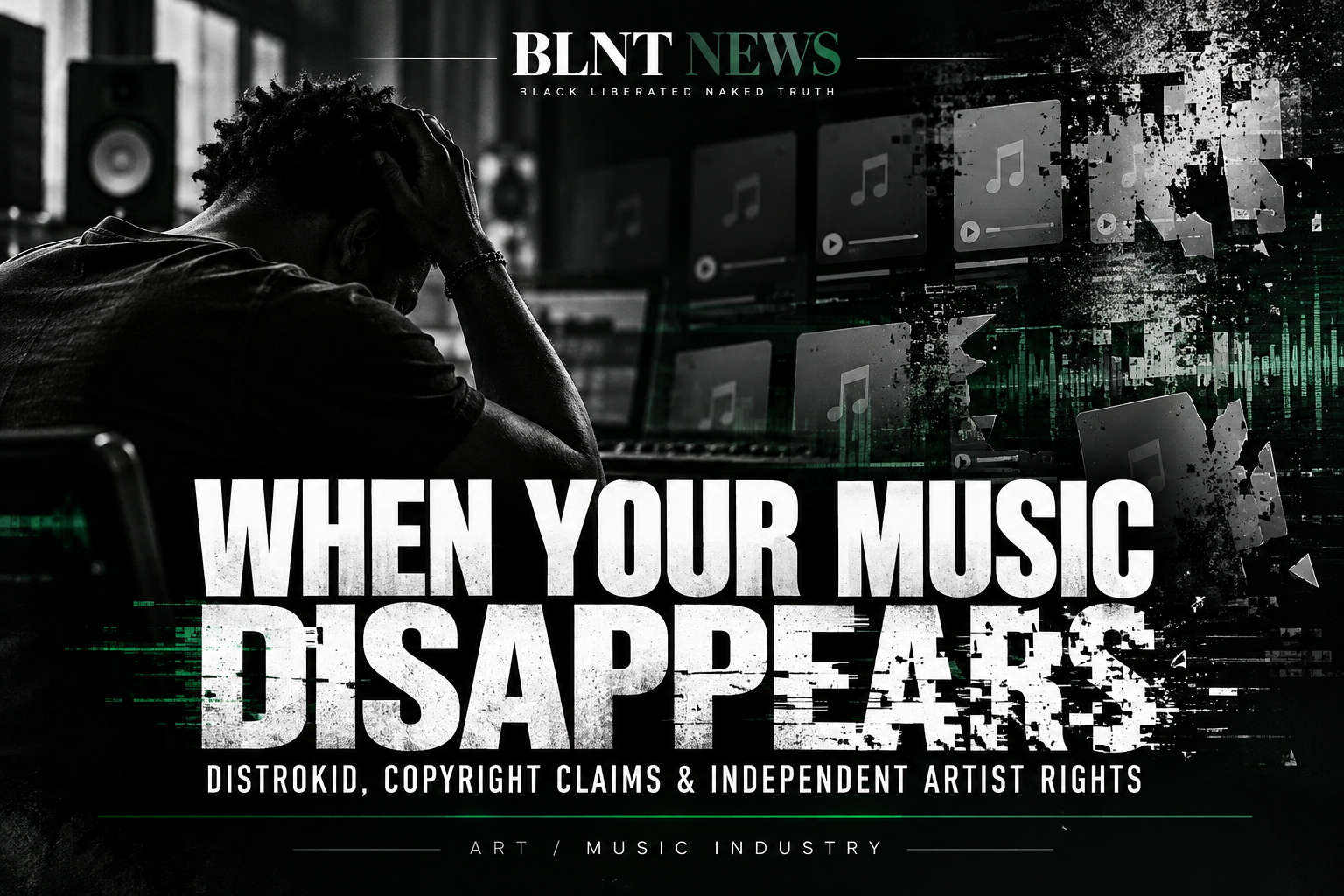
Imagine spending months recording, producing and promoting an album, only to wake up and discover your music has vanished from streaming platforms. No warning, no clear explanation, and potentially no access to the royalties you've already earned.
For some independent musicians using DistroKid, that scenario has become reality.

On September 15, 2026, Universal Music Group (UMG) filed a federal lawsuit against DistroKid, accusing the digital distributor of facilitating copyright infringement and distributing unauthorized recordings, including AI-generated music allegedly exploiting copyrighted material.
DistroKid denies the allegations. However, the company has confirmed removing certain recordings following UMG's claims, and independent artists say their legitimate music has been caught in the fallout.
Independent Artists Caught in the Crossfire
Nashville singer-songwriter Josh Sahunta discovered that his 2022 album Mellowdrama had disappeared from streaming services. According to Rolling Stone, Sahunta, who says he wrote and recorded the project himself, received a copyright strike and had his royalty payments frozen.
Other musicians have reported similar experiences.
Artist McGwire said six of his songs were removed, including a licensed Stevie Wonder cover and another recording featuring a commercially purchased beat. Rapper Insane Ian also reported losing an original song without an explanation, while King Chase described an artist's entire album disappearing after years of availability.
DistroKid's Vice President of Artist Services, Amanda Ferri, acknowledged that a small number of recordings had been removed in response to UMG's claims. The company says it is working to minimize disruption.
Still, the number of legitimate artists affected remains unknown, and the reported claims about individual recordings have not all been independently verified.
The Controversy Is Getting Bigger
The dispute has now expanded beyond Universal Music Group's original lawsuit.
On October 14, UMG and Sony Music Entertainment filed a separate legal action seeking to compel DistroKid to provide information about AI-generated recordings distributed through its platform.
The request is connected to the record companies' ongoing copyright litigation against AI music generator Suno.
The labels want information about the volume of AI-generated recordings, including data related to DistroKid's detection technology.
According to October 19 reporting by Music Business Worldwide, DistroKid has described using a third-party prediction model to identify potentially AI-generated music. Questions about the accuracy of these detection systems and the possibility of false positives are now part of the broader dispute.
The new legal action does not establish that the removed artists' recordings were AI-generated or infringing.
Meanwhile, DistroKid's response deadline in UMG's original lawsuit has been extended to December 4, 2026.
Who Really Controls Independent Music?
Digital distribution was supposed to eliminate traditional gatekeepers.
Independent artists can now record music, retain their masters and distribute globally without signing major-label contracts. But this controversy exposes an uncomfortable reality: owning your music doesn't necessarily mean controlling its availability.
A distributor can remove a recording following a legal claim, even before a court determines whether infringement occurred.
For Black independent musicians, this raises familiar concerns about ownership, access and financial control in an industry where artists have historically fought to protect their creative rights.
AI-generated impersonations and copyright infringement are legitimate problems. Artists deserve protection from stolen recordings, unauthorized samples and fraudulent releases.
But legitimate musicians also deserve transparency, fair review procedures and meaningful opportunities to challenge takedowns.
What Artists Should Know
DistroKid's published copyright-removal guidance allows artists who believe their work was removed by mistake to submit a formal counter-notice under the Digital Millennium Copyright Act (DMCA).
However, reinstatement is not immediate or guaranteed. DistroKid states that it must wait 10 business days after receiving a valid counter-notice before reinstating content, and streaming platforms may independently decline restoration.
Artists should maintain copies of their original recordings, licensing agreements, production files, release identifiers and royalty statements. They should also understand their distributor's removal policies and consider maintaining direct relationships with fans outside streaming platforms.
Independence Should Come With Accountability
The lawsuits remain unresolved, and no court has determined that DistroKid is liable for UMG's allegations.
But the damage reported by affected independent artists raises a separate issue.
Who protects musicians when the companies responsible for distributing their work suddenly remove it?
Copyright enforcement must protect legitimate rights holders without unfairly punishing independent creators.
Because owning your masters means very little if you cannot access your audience, collect your earnings or receive a clear explanation when your music disappears.
Independent artists deserve more than ownership on paper. They deserve accountability from the platforms profiting from their creativity.
BLNT News will continue monitoring the legal proceedings and their impact on independent musicians.