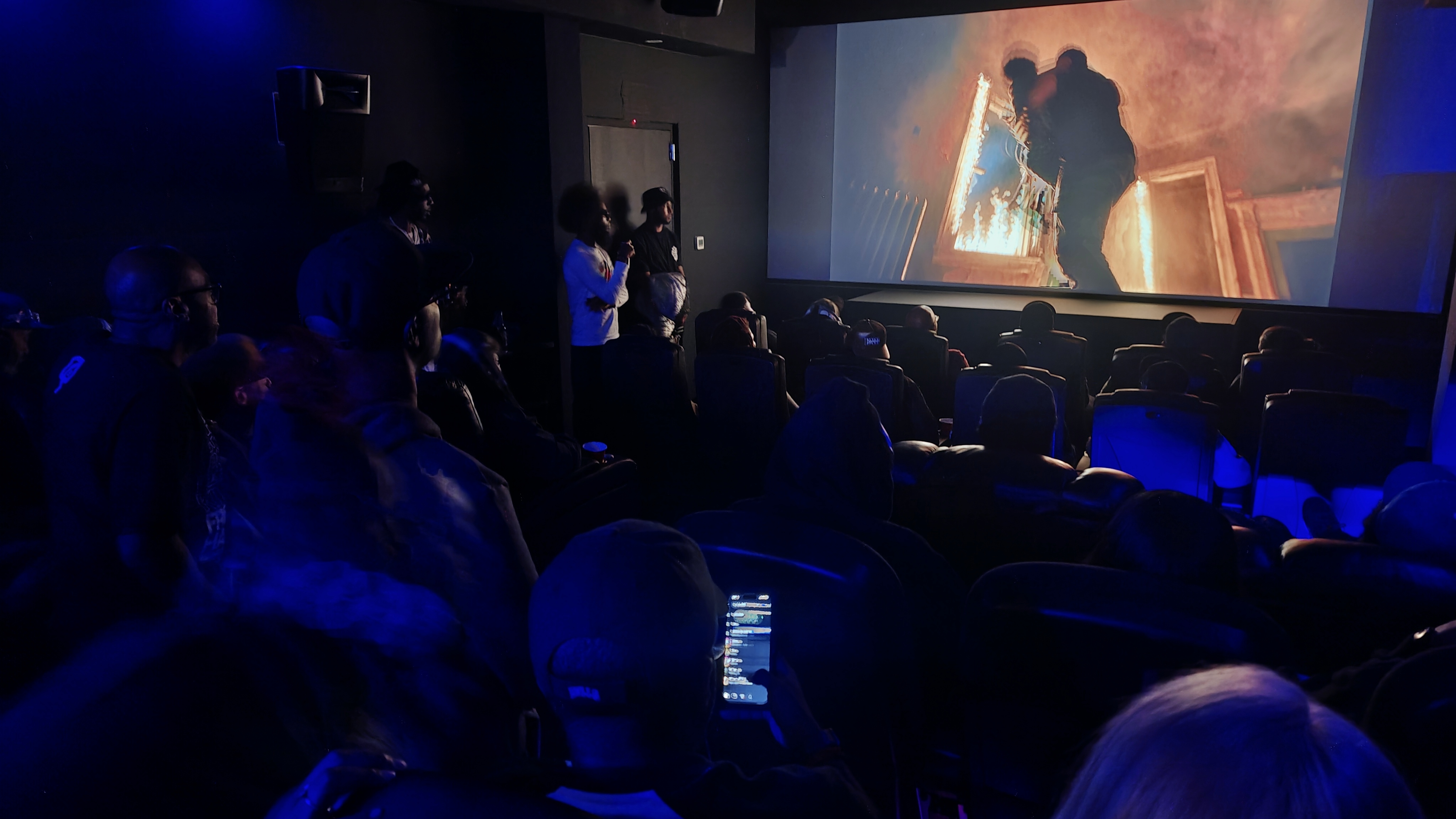
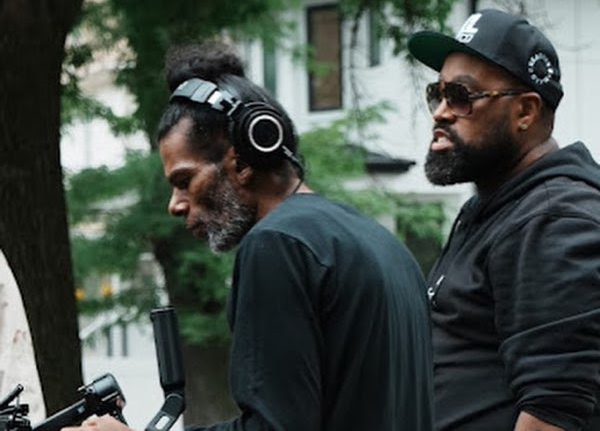
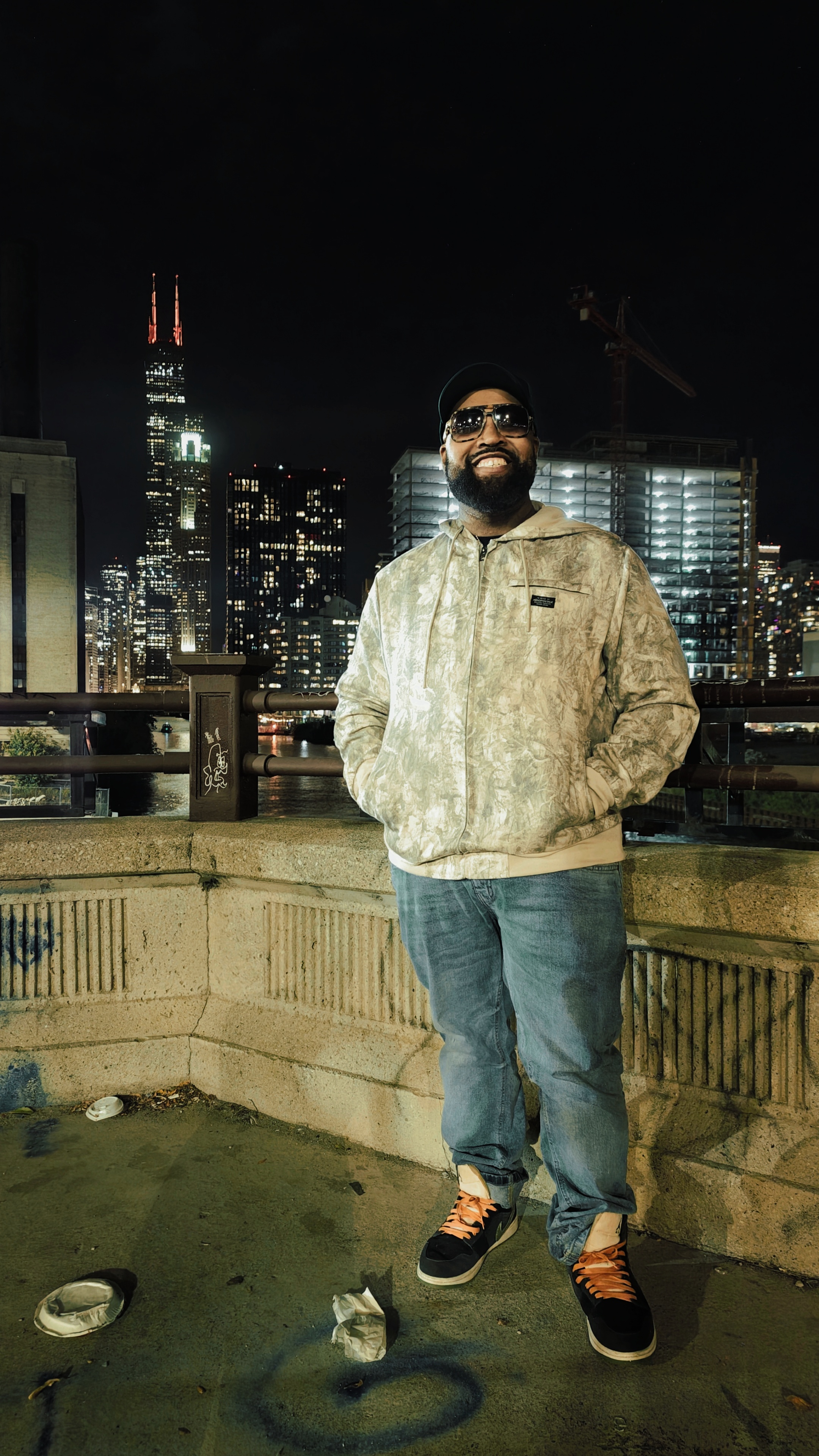
CHICAGO, IL — For filmmaker Will Gates, Chicago isn't simply where he's from. It's the foundation of his creative identity, the inspiration behind his storytelling, and the city he intends to represent every time he steps behind a camera.
"Chicago is my filmmaking. I am Chicago. I'm a product of Chicago,"
Gates told BLNT News during an exclusive interview.
With more than two decades in the entertainment industry, Gates has built a career rooted in independent filmmaking, music videos, commercials, and television production. His journey reflects the determination of a generation of Black creatives who have learned to build their own opportunities rather than wait for an invitation into the industry.
A native of Chicago's Englewood neighborhood, Gates has directed hundreds of music videos and worked with nationally recognized recording artists through his production company, Open World Films. His credits extend into documentary television, including work associated with National Geographic and Netflix.
Yet despite those accomplishments, Gates remains particularly passionate about the independent filmmakers developing their craft in Chicago.
FROM BELLY TO BEHIND THE CAMERA
For Gates, the inspiration to pursue filmmaking came during his senior year of high school, when he watched everyone's favorite, Hype Williams' 1998 film Belly, starring Nas and DMX.
The film's memorable opening sequence left a lasting impression.
"It was like God tapped me on my shoulder and was like, man, that's what you're gonna do," Gates recalled.
That moment eventually developed into a professional career. His first paid directing opportunity came through a commercial for a motorcycle customization company he remembers as Gator Customs or Gator Glass.
The project provided more than a paycheck. It gave him the confidence to recognize filmmaking as a viable career.
Gates describes his directing approach as "cinematic guerrilla style," emphasizing his preference for being actively involved in production rather than simply giving instructions from behind a monitor.
He's comfortable operating cameras, handling lighting, and making the practical adjustments necessary to complete a project.
For Gates, directing is as much about understanding the technical work as it is about having a creative vision.
THE FEATURE FILM THAT CHANGED EVERYTHING
Although Gates had already established himself through other production work, he identifies his first feature film, Secrets of a Side Chick, as one of the most defining accomplishments of his career.
The film, adapted from a novel by Chicago author Jessica N. Watkins, presented an entirely different creative challenge.
Working alongside Watkins required balancing the author's commitment to her original story with the practical decisions involved in translating a book to the screen.
Gates explained that certain scenes he considered unnecessary from a filmmaking perspective were essential to Watkins because of their significance to the story.
The experience taught him the importance of compromise and respecting the contributions of other creatives.
"Filmmaking is a team sport," he explained.
While Gates recalls 2019 as the pivotal year for the project, Secrets of a Side Chick later premiered in Chicago in 2021 and received a digital release in 2022.
The film is currently available on Tubi.
For Gates, completing that first feature represented a personal graduation into another level of filmmaking.
BLACK STORYTELLING COMES WITH RESPONSIBILITY
One of the most compelling moments of our conversation came when Gates addressed the responsibility Black directors carry in shaping how their communities are portrayed.
His position was clear: authentic storytelling should never require filmmakers to ignore difficult realities, but there is a difference between depicting those realities and glorifying them.
"We have a huge responsibility, and we have to be careful about what stories we tell and how we tell them," Gates explained.
He believes stories involving crime, violence, and street culture can have a legitimate place in cinema, provided filmmakers remain conscious of the messages those narratives communicate.
For Gates, consequences matter.
His films may feature complicated characters who make destructive decisions, and those characters may occasionally succeed. But he believes audiences, particularly younger viewers, should also see the consequences that accompany those choices.
His perspective raises an important question within Black entertainment: How do filmmakers tell honest stories about their communities without reinforcing the same stereotypes that have historically limited how those communities are represented?
For Gates, the answer begins with intentional storytelling.
CHICAGO'S INDEPENDENT FILM RENAISSANCE
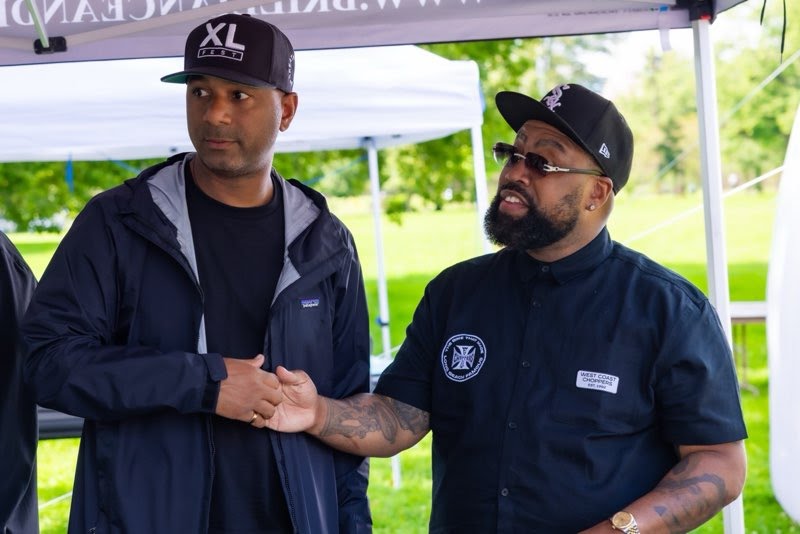
Chicago has long been recognized for its contributions to music, comedy, theater, and television. However, Gates believes the city's independent film community deserves greater recognition and institutional support.
He describes the current moment as an independent film renaissance, driven by filmmakers creating and financing their own projects.
But he also believes Chicago's larger film ecosystem needs to become more unified.
Rather than maintaining a divide between union productions, independent filmmakers, major studios, and nonunion talent, Gates wants to see greater cooperation throughout the industry.
"We should be able to operate as a whole," he said.
He argues that independent filmmakers deserve more attention from the city and greater opportunities to participate in Chicago's expanding production landscape.
For Gates, the potential is already here. The challenge is creating an environment where emerging talent can access resources, develop professional relationships, and turn their creative ambitions into sustainable careers.
He sees Chicago as a city with an enormous amount of untapped storytelling potential.
And while cities such as Los Angeles, New York, and Atlanta have established reputations as entertainment production centers, Gates believes Chicago has the talent to continue developing its own identity.
CREATING OPPORTUNITIES INSTEAD OF WAITING FOR THEM
When asked whether Chicago filmmakers receive the recognition and opportunities they deserve, Gates offered a perspective shaped by years of independent production.
Rather than waiting for industry executives, studios, or outside investors to recognize their potential, he encourages filmmakers to take control of their careers.
"We make our opportunities. We fund our own independent films," he explained.
That philosophy extends into his approach to budgeting and production.
Gates regularly encounters artists with ambitious creative ideas and limited financial resources. His solution is not necessarily to abandon the vision, but to identify what can realistically be accomplished with the resources available.
"You don't need money to be dope," he said.
He acknowledges that elaborate productions require substantial funding, but he also believes creativity and resourcefulness can compensate for certain financial limitations.
Sometimes that means changing locations, rewriting scenes, or adapting an idea to fit an available budget.
The objective remains the same: complete the project without sacrificing its essential creative purpose.
A NEW GENERATION OF FILMMAKERS
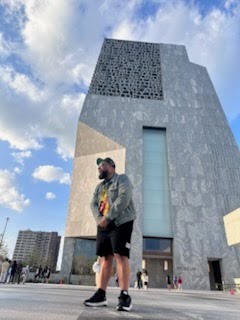
Despite the growing number of creators entering filmmaking, Gates doesn't view today's industry primarily through the lens of competition.
He sees opportunity.
With smartphones capable of recording high-resolution video and platforms such as YouTube, TikTok, and Facebook providing direct access to audiences, emerging filmmakers have tools that previous generations could only imagine.
Gates encourages young directors to use whatever equipment they have available.
"Make your films, man. Make your creations come to life," he advised.
For a filmmaker who began his career before social media transformed content distribution, today's technology represents an unprecedented opportunity for independent creators to develop their skills, establish audiences, and distribute their work.
WHAT'S NEXT FOR WILL GATES?
Although Gates has spent more than two decades building his career, he still has stories he wants to tell.
One project he expressed particular interest in developing is a film about Chicago cultural figure Bishop Don Juan.
Gates is fascinated by Bishop Don Juan's life, influence, and rise to prominence, particularly how race, geography, and social circumstances shaped his path.
It's a story Gates believes deserves a cinematic interpretation.
In the meantime, his immediate focus is horror.
On October 31, 2026, Gates is scheduled to debut The Candy Store 2, the sequel to his horror film The Candy Store.
Directed alongside his creative partner Bo Simmons, the film continues Gates' work in independent feature production.
During our interview, Gates announced tickets priced at $25, with a $50 dinner-and-movie option featuring a gourmet meal by Chef Michael Earhart.
The premiere also provides an opportunity for audiences to celebrate with the cast and support independent filmmaking in Chicago.
For Gates, however, the larger mission extends beyond any single film.
It's about building an industry, developing talent, and ensuring Chicago's stories are told by the people who know them best.
After 23 years behind the camera, Will Gates isn't waiting for Hollywood to define his success.
He's continuing to create it on his own terms.
ABOUT THE FILM
The Candy Store 2
Premiere: October 31, 2026
Directors: Will Gates and Bo Simmons
Tickets