
Everybody wants to make a movie until it's time to pay for one.
The actors need money. The locations need money. The equipment needs money. And apparently, even feeding people on set can become a financial crisis.
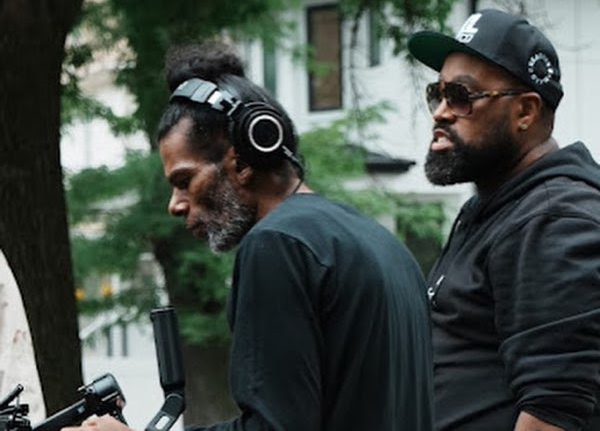
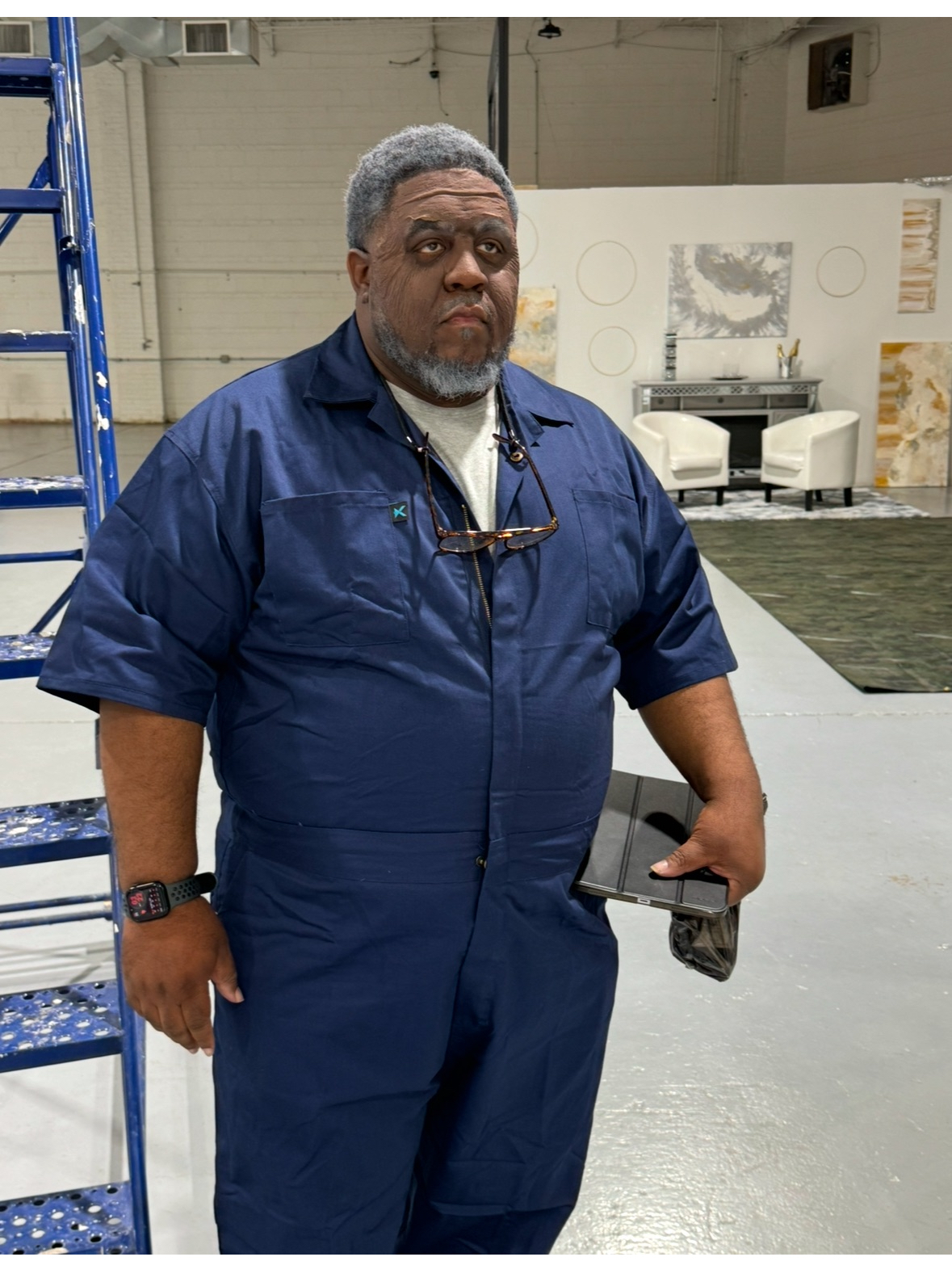
Chicago comedian, writer, actor, and producer Jay Davis knows this reality all too well. He's spent years navigating the entertainment industry, creating independent productions, working alongside established talent, and learning that having a great idea is only half the battle. The other half involves figuring out how to bring that idea to life without financially ruining yourself.
During our conversation, Davis delivered plenty of laughs, but beneath the humor was a serious discussion about Black creative ownership, industry politics, financial responsibility, and what it actually takes to build something sustainable.
And trust me, he had a few things to say.

Funny Is Funny, Regardless of Who's Laughing
Davis's comedy isn't necessarily shaped by what people might expect from a Chicago entertainer.
Growing up, he attended private schools surrounded by students from different racial and cultural backgrounds. That experience helped him develop an understanding of people that continues to influence his comedy.
"The crazy thing is a lot of the stuff that white people laugh at is some of the same shit Black people laugh at," Davis explained.
Imagine that. Different races, similar foolishness.
His point was simple: comedy often connects people through shared human experiences, even when their backgrounds are completely different.
And Davis has spent enough time around different communities to know that everybody has somebody in their family who provides enough material for an entire comedy special.
Everybody Wants to Be a Producer Until the Invoice Arrives
Davis wears several creative hats, including writer, actor, and producer. But when asked which role presents the biggest challenge, he didn't hesitate.
Producing.
"Writing the shit's easy," he explained, before describing the difficulty of coordinating casting, locations, schedules, and talented people who all have lives of their own.
Writing gives him the freedom to create entire worlds. Producing requires figuring out whether those worlds fit inside an actual budget.
And unfortunately, imagination doesn't come with a corporate credit card.
Davis acknowledged that some of his creative ideas are considerably more expensive than his resources allow. As an independent filmmaker, he's learned to adjust scripts, rethink locations, and find creative alternatives rather than abandon projects altogether.
That's where being a writer becomes especially valuable. When you can't afford the original vision, sometimes you have to rewrite the vision without sacrificing the story.
It's not glamorous, but neither is explaining to your cast why the production budget has suddenly become a group fundraiser.
Creative Hustle: Born During a Pandemic
Like many creative projects, Davis's Creative Hustle found inspiration during an unexpected period; the COVID-19 pandemic.
While exploring YouTube, he revisited Robert Townsend's Partners in Crime and began thinking about the talented people within his own circle.
He realized he had access to a community of performers who could create something together.
So he reached out to his creative partner Omar, contacted other entertainers, and began developing their own production.
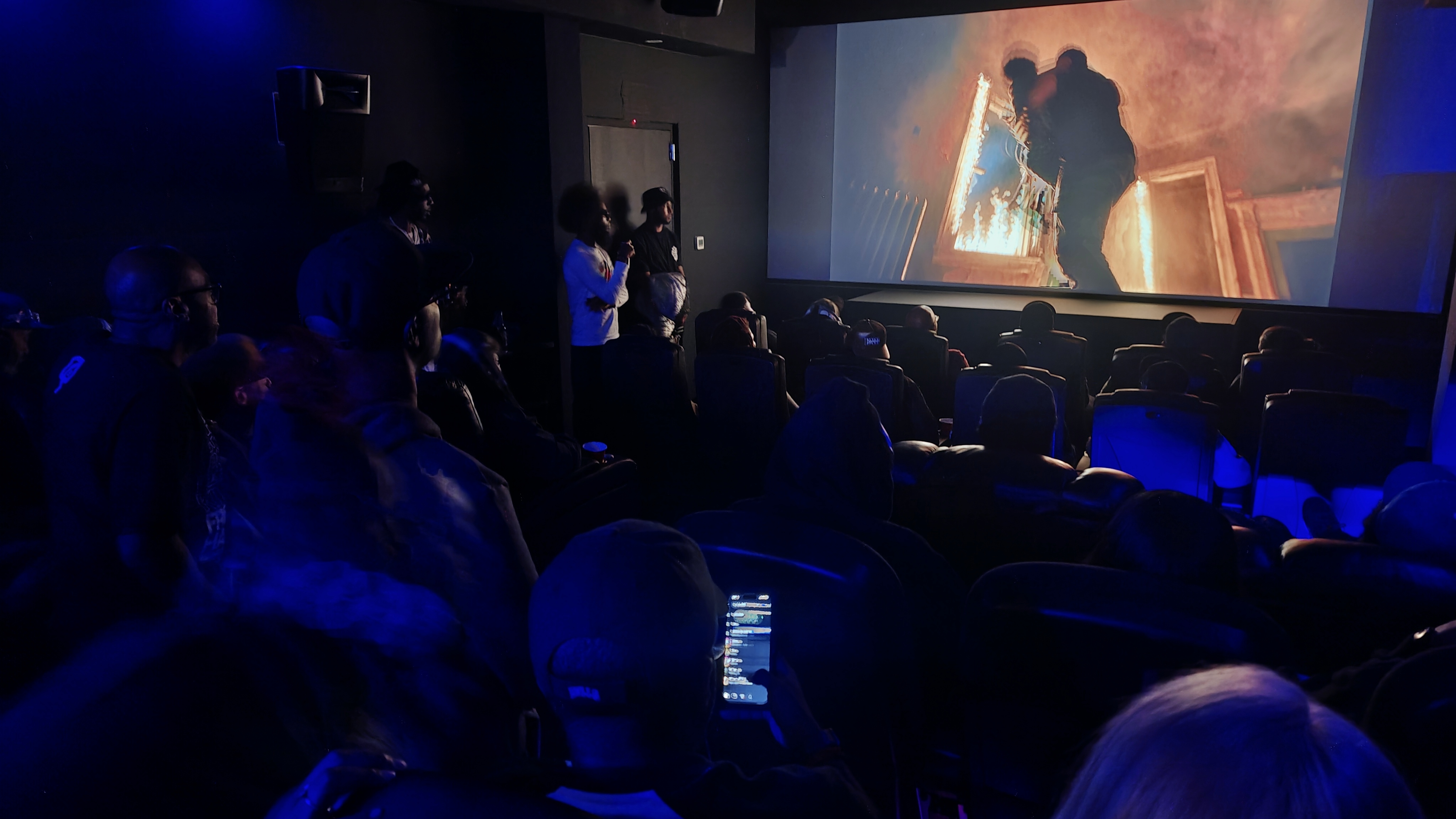
The first season was taped at Chicago's Den Theatre during the pandemic, when COVID testing and additional production precautions were part of the process.
Filmmaker Will Gates even helped secure someone qualified to administer testing.
Because apparently, producing a comedy show during COVID also meant becoming an amateur public health coordinator.
Still, Davis and his collaborators pushed forward, demonstrating the kind of resourcefulness that has become essential to independent entertainment.
Black Filmmakers, Big Dreams, and Very Different Budgets
When our conversation shifted toward Black creative freedom, Davis raised an issue that deserves considerably more attention.
Black independent filmmakers, he believes, are often judged more harshly than filmmakers from other communities, despite having fewer resources and less access to investors.
"We have to literally make what we can with what we got," he explained.
He also questioned why low-budget Black films frequently become targets of criticism when poorly produced films exist across every genre and demographic.
And he has a point.
Hollywood has produced its fair share of questionable movies with substantial budgets. Yet somehow, independent Black filmmakers are expected to deliver cinematic masterpieces with a budget that might barely cover catering.
Davis also had little patience for people who casually claim they could make a movie themselves.
His response?
"You can't even afford the crafty in a movie."
For anyone unfamiliar with production terminology, crafty refers to craft services, the food and refreshments provided on set.
In other words, before you start talking about directing the next blockbuster, make sure you can afford the snacks.
But behind the joke is a legitimate business lesson.
Davis emphasized that filmmakers must account for unexpected expenses, realistic production schedules, actor compensation, and location costs. A last-minute venue change can disrupt an entire budget.
The creative vision matters, but so does the spreadsheet.

Janet Hubert and the Stories Hollywood Tells
One of the more revealing moments of our conversation came when Davis discussed working with actress Janet Hubert, widely recognized as the original Aunt Viv from The Fresh Prince of Bel-Air.
Davis worked with Hubert on Not Another Black Movie, and his experience challenged the negative public narrative that had surrounded her career.
He described Hubert as warm, welcoming, professional, and genuinely appreciative of the opportunity.
According to Davis, she even offered to help clean the set after filming.
Yes, Aunt Viv was ready to help straighten up.
Davis recalled that Hubert spent time getting to know the production team before filming and treated everyone with kindness.
His experience led him to question how easily public reputations can be shaped by industry narratives.
He believes audiences should be more willing to question prolonged negative portrayals of entertainers, particularly when those portrayals don't align with other people's firsthand experiences.
Our conversation also touched on the broader issue of Black entertainers being labeled difficult when they challenge working conditions or advocate for themselves.
Sometimes, Davis suggested, the problem isn't the performer.
Sometimes, the problem is the treatment.
And there's a considerable difference between being difficult to work with and refusing to be mistreated.
Going Viral Is Easy. Leaving a Legacy Is Different.
Social media has created an entirely new category of entertainment personalities.
Everybody has a camera. Everybody has a platform. And apparently, everybody knows somebody who thinks they're a comedian.
Davis recognizes that social media comedy requires its own skills. Understanding algorithms, posting consistently, and capturing attention are legitimate talents.
But he also believes entertainers need to think about what they're actually contributing.
To illustrate his point, Davis joked that he could post videos of himself getting kicked in the groin every day and probably collect thousands of views.
The question is whether those views would amount to anything meaningful.
He challenged creators to consider whether they want to be remembered for entertaining people momentarily or inspiring them through their work.
There's nothing wrong with making people laugh.
But if your entire professional legacy depends on somebody kicking you below the belt, you might want to revisit the five-year plan.
Artificial Intelligence Has Entered the Writers' Room
Naturally, we couldn't discuss the future of entertainment without addressing artificial intelligence.
Davis doesn't necessarily view AI as a threat to legitimate creators. He believes it can be useful for improving existing work, especially for writers who already understand storytelling.
However, he draws a clear distinction between using technology as a tool and allowing technology to do the creative thinking.
"AI has no soul," he said.
For Davis, storytelling requires lived experiences, emotion, imagination, and an authentic perspective that cannot simply be manufactured through prompts.
Interestingly, he has also used AI in his own creative process.
After writing three children's books, Davis explored professional illustration services but found the costs difficult to justify. Instead, he had the primary characters illustrated and used AI to help create additional imagery.
The stories, he emphasized, remained entirely his own.
It's an example of the complicated relationship independent creators have with emerging technology.
The technology can make production more accessible, but it also raises questions about artistic originality and the value of human creativity.
And while AI might generate a movie about zombie dogs in seconds, that doesn't necessarily mean anybody should be forced to watch it.
The Business Has to Make Sense
For all the jokes, Davis takes the financial side of entertainment seriously.
He believes independent creators must understand the difference between revenue and actual profit.
Making money from a project doesn't mean much if the expenses exceed the earnings.
His philosophy centers on maintaining financial responsibility, paying expenses, and knowing when a project needs to be adjusted.
It's a conversation more independent entertainers need to have.
Social media has made success look effortless, but behind every polished production are contracts, invoices, equipment costs, labor, and countless decisions that audiences never see.
Creativity may get the project started.
Financial discipline determines whether you can afford to do another one.
From Making People Laugh to Making a Difference
Beyond his entertainment career, Davis is also committed to supporting young people through the JD & Marcus Literacy & Creative Arts Initiative.
On November 8, 2026, the organization will present On the Spot, an improv battle comedy show at Hollywood Boulevard in Woodridge, Illinois.
The event will bring together comedians, actors, and social media personalities for an evening of unscripted entertainment.
But the real purpose extends beyond the stage.
Proceeds will support Davis's annual winter clothing drive, providing clothing and accessories for children in need.
It's an opportunity to enjoy comedy while contributing to something meaningful.
And considering Chicago's winter weather, keeping children warm is no laughing matter.
Event: On the Spot: Improv Battle Comedy Show
Date: November 8, 2026
Location: Hollywood Boulevard, Woodridge, Illinois
Beneficiary: JD & Marcus Literacy & Creative Arts Initiative
Visit the BLNT News Events page for event details and ticket information.

The Last Laugh
When asked what legacy he hopes to leave for the next generation of Black filmmakers and comedians, Davis's advice was straightforward.
Learn. Ask questions. Use the resources available to you. And stop waiting for someone else to figure everything out.
He reflected on growing up in a time when researching information meant physically visiting a library, compared with today's generation having virtually unlimited information available through their phones.
His message wasn't complicated, the tools are available, but people have to be willing to use them.
And while the entertainment industry will always present financial barriers, professional challenges, and plenty of unexpected nonsense, Davis remains proof that creativity and resourcefulness can go a long way.
He's building productions, telling stories, creating opportunities, and giving back to his community.
All while finding something to laugh about along the way.
Because for Jay Davis, comedy might be the business.
But the mission is much bigger than the punchline.